Published Founder Essay
From Vintage Cars to Building Software
Originally published on LinkedIn by Tyler Berry.
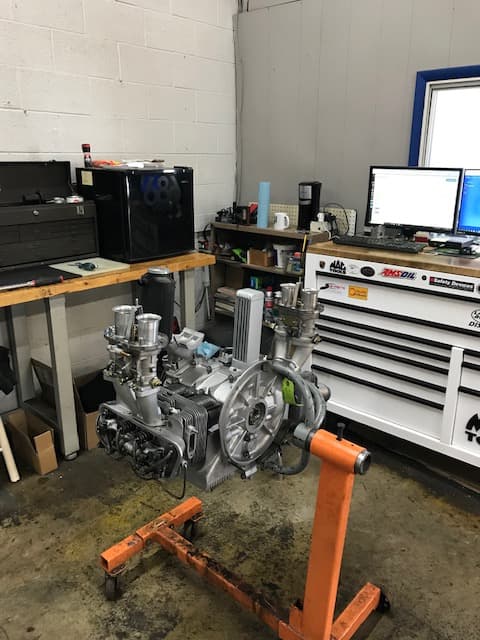
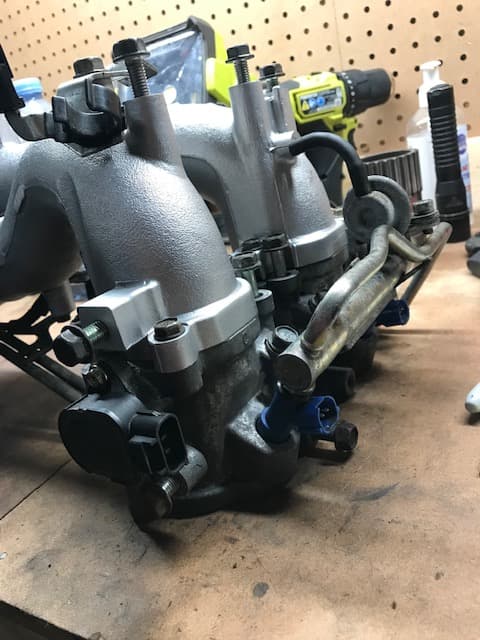
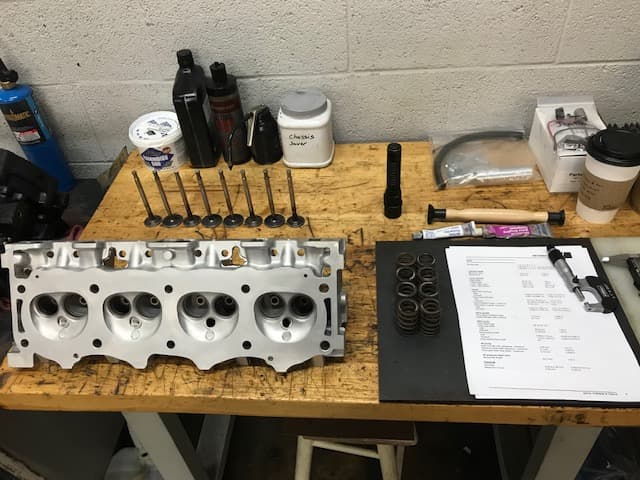
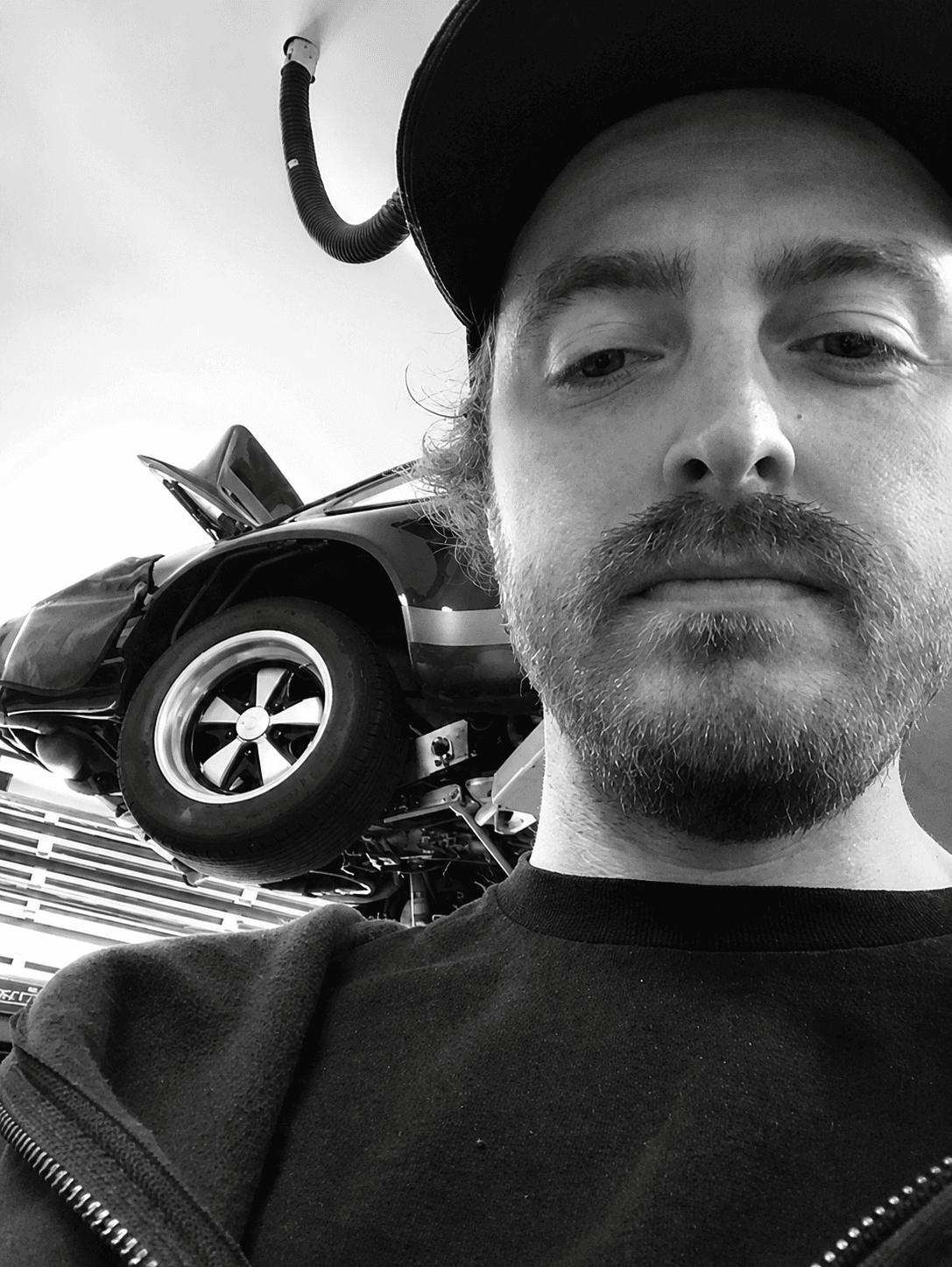
I'm a vintage Porsche mechanic by trade, but I've always been fascinated by great engineering in all its forms.
I appreciate vehicles with heritage—machines that were designed with purpose and built to last.
My daily driver is a 2006 Subaru WRX. It's a reminder of an era when rally-inspired cars were raw, mechanical, and connected. The nimble chassis, the unmistakable growl of the horizontally opposed four-cylinder, the spool of the turbo, and the confidence it inspires on any road make every drive enjoyable.
One of my favorite projects is my 1998 Land Rover Discovery I. I rescued it from a salvage yard, brought it back to life, and now it's become part of countless family adventures. Whether we're exploring Michigan's forests, driving the shoreline, or towing vintage jet skis to the lake, it always feels at home. I love everything about it—the quirky switches, the old-school luxury, the solid frame, the coil-sprung solid axles, and the all-aluminum V8 whose roots trace back decades.
It's not just capable off-road; it's a vehicle with character.
That same appreciation extends to vintage jet skis. There's something satisfying about spending a Saturday morning dialing in a carburetor with a cup of coffee nearby. The smell of two-stroke smoke, the simplicity of the machines, and the direct connection between tuning and performance remind me why I enjoy working with mechanical systems.
Whether it's a Porsche, a Land Rover, or an old jet ski, I've always enjoyed taking something that can be improved and thoughtfully refining it.
That mindset eventually led me somewhere unexpected.
Like many professionals, I found myself struggling to keep track of certifications and renewal dates. As someone who enjoys keeping machines maintained and running at their best, it frustrated me that something as important as my own professional credentials depended on spreadsheets, sticky notes, calendar reminders, and simply hoping I hadn't forgotten something important.
So I started my next project.
Only this time, instead of rebuilding an engine, I built software.
I designed it with the same mechanical mindset I bring into the garage every day: understand the problem, design a practical solution, test it in the real world, improve it, and repeat.
There wasn't some grand plan to build a software company. I simply wanted a better way to solve a problem I was experiencing myself.
As I continued building, I realized I wasn't solving a problem that was unique to me. Organizations everywhere were dealing with the same challenge of managing employee certifications, licenses, credentials, and compliance documents.
That project became Briely.
I don't believe software is ever truly finished, just like a well-loved project car is never really done. There's always something to refine, something to simplify, and another detail that can make the experience better.
Today, I continue to build Briely with the same mindset I bring into the garage every day: respect good design, build practical solutions, and never stop improving.
Whether I'm restoring a classic vehicle or refining a feature for Briely, the goal is the same—to build something dependable that people genuinely enjoy using.
After all, one of my projects just happens to live in the cloud instead of the garage.